Alcohol rehab & alcohol detox
From daily drinking to repeated binges or severe dependence, explore medically supervised withdrawal care, residential treatment and recovery planning.
We Level Up is a national accredited network of rehabs, detox centers, mental health and addiction treatment programs helping men and women find recovery from substance use and mental health disorders.
Different searches can lead to the same question: “What kind of help would actually make sense?” Select a topic below to see where to start.
Tell us what’s happening, what you’ve tried, and what you hope to change. An admissions conversation can help you understand which programs might be worth exploring and what questions to ask.
Talk through your options →Each substance has different effects, withdrawal considerations and treatment needs. We Level Up treats a variety of addiction and dependence issues.
From daily drinking to repeated binges or severe dependence, explore medically supervised withdrawal care, residential treatment and recovery planning.
Ask about opioid withdrawal, stabilization, counseling, relapse prevention and whether medications for opioid use disorder may fit your care plan.
Benzodiazepine dependence, including prescribed use, can require medically managed withdrawal. Do not stop suddenly without medical guidance.
Explore structured treatment for stimulant use, cravings, sleep disruption, mental health concerns and sustainable recovery skills.
Problematic use or physical dependence involving prescribed medication deserves individualized, nonjudgmental medical assessment.
If your substance is not listed — or several substances are involved — call to discuss symptoms and whether the available programs are appropriate.
Program availability and clinical suitability depend on the individual, facility, and assessment.
Not everyone needs the same type of treatment. A clinical assessment helps determine an appropriate starting point and what support might follow.
Medical support during withdrawal when indicated, with attention to comfort, safety and stabilization. Particularly important for alcohol and benzodiazepine withdrawal.
A structured, immersive treatment environment with clinical support, therapy, recovery education and distance from everyday triggers.
Intensive programming during the day, with living arrangements and eligibility varying by facility and individual circumstances.
Multiple therapy sessions each week, offering structured support with greater flexibility than residential care when clinically appropriate.
Aftercare plans, relapse-prevention skills, community support and appropriate step-down resources for the next stage.
That’s exactly the kind of question admissions can help you begin to sort out. Describe your substance use, symptoms, prior treatment, living situation and goals. Clinical professionals determine the appropriate level of care.
☎ Discuss your treatment optionsYou can call to ask questions even if you are not ready to enroll.
Questions about programs, withdrawal, insurance or a loved one? Call before you decide.
Get a sense of the spaces where care and recovery take place. Accommodations and amenities vary by facility.

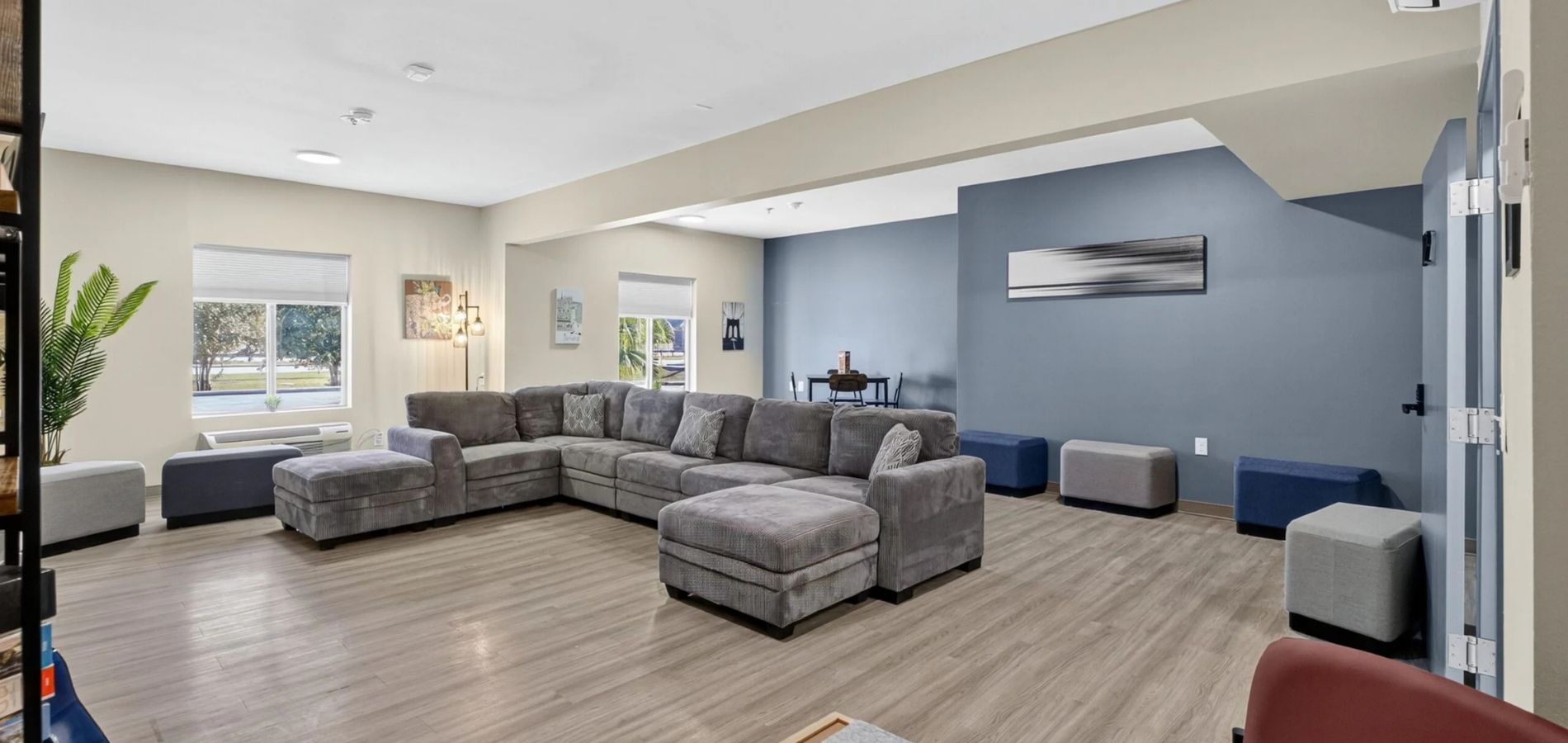
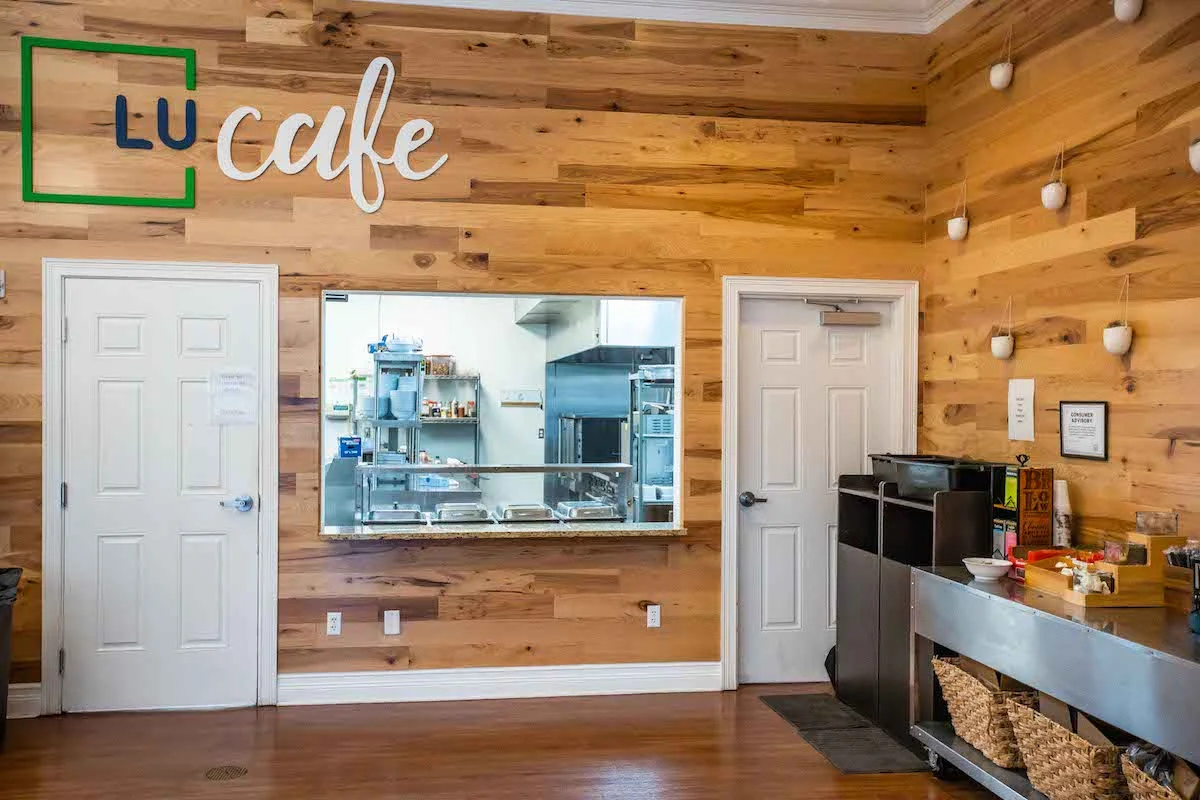


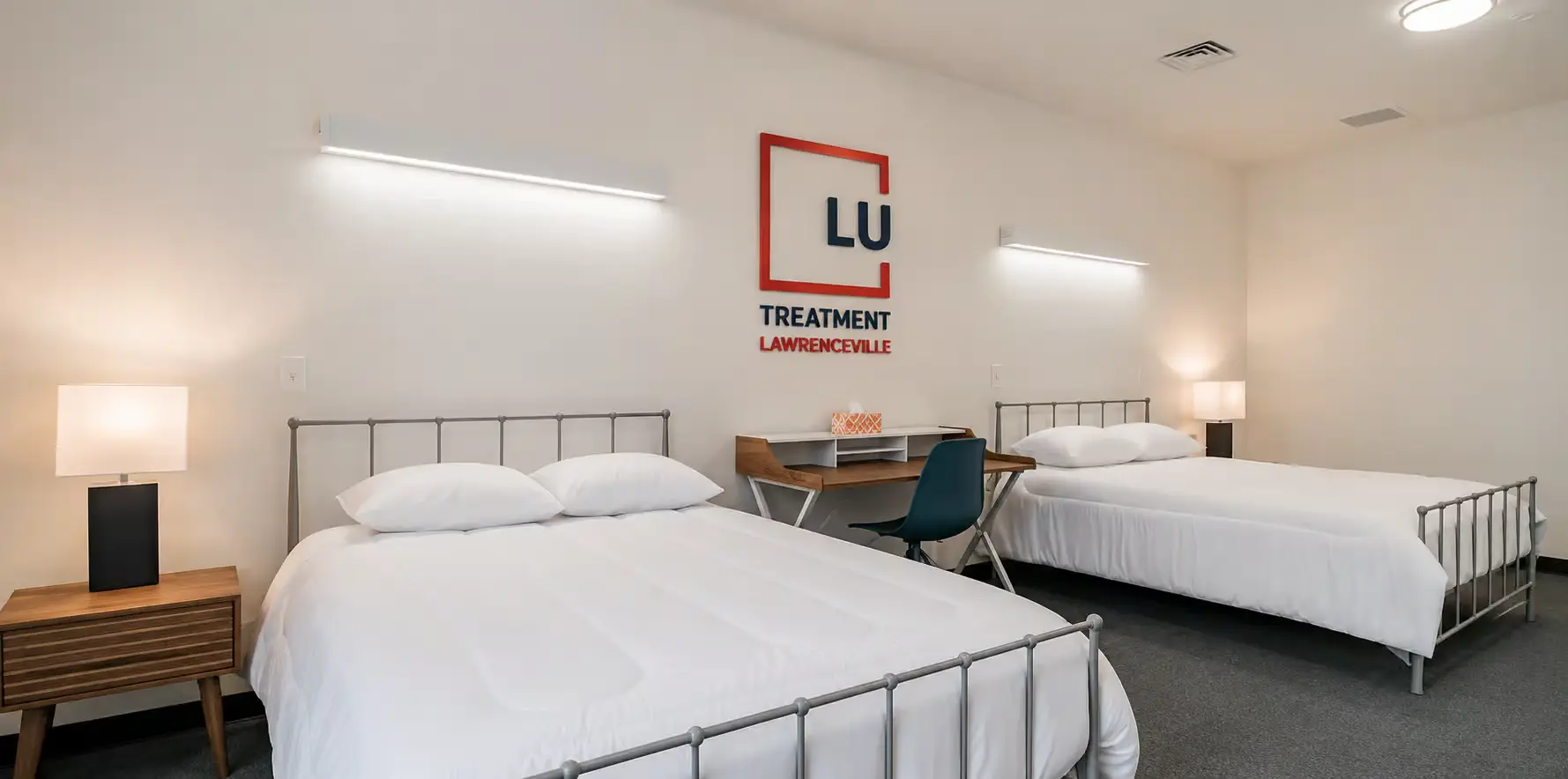
Programs can combine evidence-based clinical therapies, mental health support, skills-building and whole-person approaches based on assessment and facility resources.
Explore triggers, goals, trauma, behavior patterns and personalized strategies with a clinician.
Practice coping and communication skills alongside peers in a structured, supportive environment.
Identify thought and behavior patterns that can contribute to substance use and relapse.
Address the relationship between past experiences, emotional regulation and addiction when clinically indicated.
Help loved ones learn about addiction, recovery, communication and healthier boundaries.
Some facilities supplement clinical care with wellness, mindfulness, movement and experiential approaches.
Therapy modalities and schedules vary by location and patient needs; specific treatments are not guaranteed.
It’s common for family members to make the first call. You may be looking for rehab for your son or daughter, support for a spouse, or advice about a parent or friend who keeps saying they’re fine.
You can ask about treatment options, what an assessment involves, how to approach the conversation, and how insurance may work — even if the person has not agreed to treatment yet.
“What if they say they don’t need rehab?”
You can still ask for guidance and learn what treatment options would look like.
“Can I arrange treatment for them?”
Admissions can explain the steps, but treatment decisions and consent requirements depend on the person and circumstances.
“What if this isn’t their first time?”
A return to use does not mean treatment cannot help. A new assessment can consider what might need to change.
“Can I find out whether insurance will pay?”
Ask how benefits verification works and what information or authorization is required.
Many private health insurance plans include coverage for substance use treatment, which may include detox, residential care and outpatient services depending on the plan and medical necessity.
We Level Up can review your benefits and explain what may be covered, any relevant deductible or out-of-pocket responsibility, and how network status affects costs. A verification is informational, not a promise of coverage or payment.
Participation, acceptance, network status, benefits and eligibility vary by plan, facility and policy.
☎ Verify my insurance — freeTell admissions who the insurance carrier is and which questions matter most to you.
The team checks relevant treatment benefits and any known plan limitations.
Ask about costs, facilities, level-of-care requirements and next steps.
There is no obligation to enroll simply because you requested verification.
Whether you’re ready to begin treatment or have a dozen questions, here is a straightforward way to start.
Share as much or as little background as you are comfortable sharing.
Discuss symptoms, concerns, treatment goals and whether evaluation is needed.
Ask about benefits, timing, facility options and likely next steps.
Get answers and decide whether and how you want to proceed.
There isn’t one right way to start looking for addiction help. These answers explain the basics while leaving room for your circumstances.
Admissions is available 24 hours a day, 7 days a week.
☎ Call confidentiallyNot always. Withdrawal risk depends on the substances involved, frequency and duration of use, health history, and other factors. A qualified clinician can assess whether medically supervised withdrawal management is appropriate.
Yes. The majority of We Level Up clients seek help primarily for alcohol use.
You can call and discuss your goal. Admissions can explain available programs and help you determine whether a treatment assessment makes sense.
We Level Up is a clinical treatment provider, not a meeting directory. If you are looking only for a local AA or NA meeting, use the relevant fellowship’s official meeting finder. If you want to understand whether meetings, therapy or a higher level of treatment may fit, admissions can discuss options.
Yes, We Level Up provides comprehensive individualized addiction care for a wide range of substances.
Tell the admissions team about every substance, including alcohol, prescribed medications and nonprescribed drugs. This information matters for safe medical assessment and treatment planning.
Yes. Family members can call to understand treatment possibilities and discuss concerns. Privacy rules and consent requirements affect what a provider can disclose or arrange for another person.
Coverage varies by plan, medical necessity, network participation, authorization and facility. A free benefits review can help clarify likely coverage and potential costs, but is not a guarantee of payment.
Your call is confidential and there is no obligation to commit to anything.
Admission timing depends on clinical fit, availability, insurance, logistics and facility processes. Sam day admission is often available, but cannot be guarenteed at all times.
Alcohol and benzodiazepine withdrawal can be dangerous, and opioid withdrawal can involve significant medical risks. Do not abruptly stop alcohol or benzodiazepines if dependent without medical guidance. Seek immediate emergency care for seizures, severe confusion, difficulty breathing, unconsciousness or other life-threatening symptoms.
For yourself or someone you care about. Alcohol or drugs. Detox, rehab, counseling questions, or insurance. We’re here to talk through next steps.